Herbal Profile: Gomphrena globosa (Globe Amaranth)
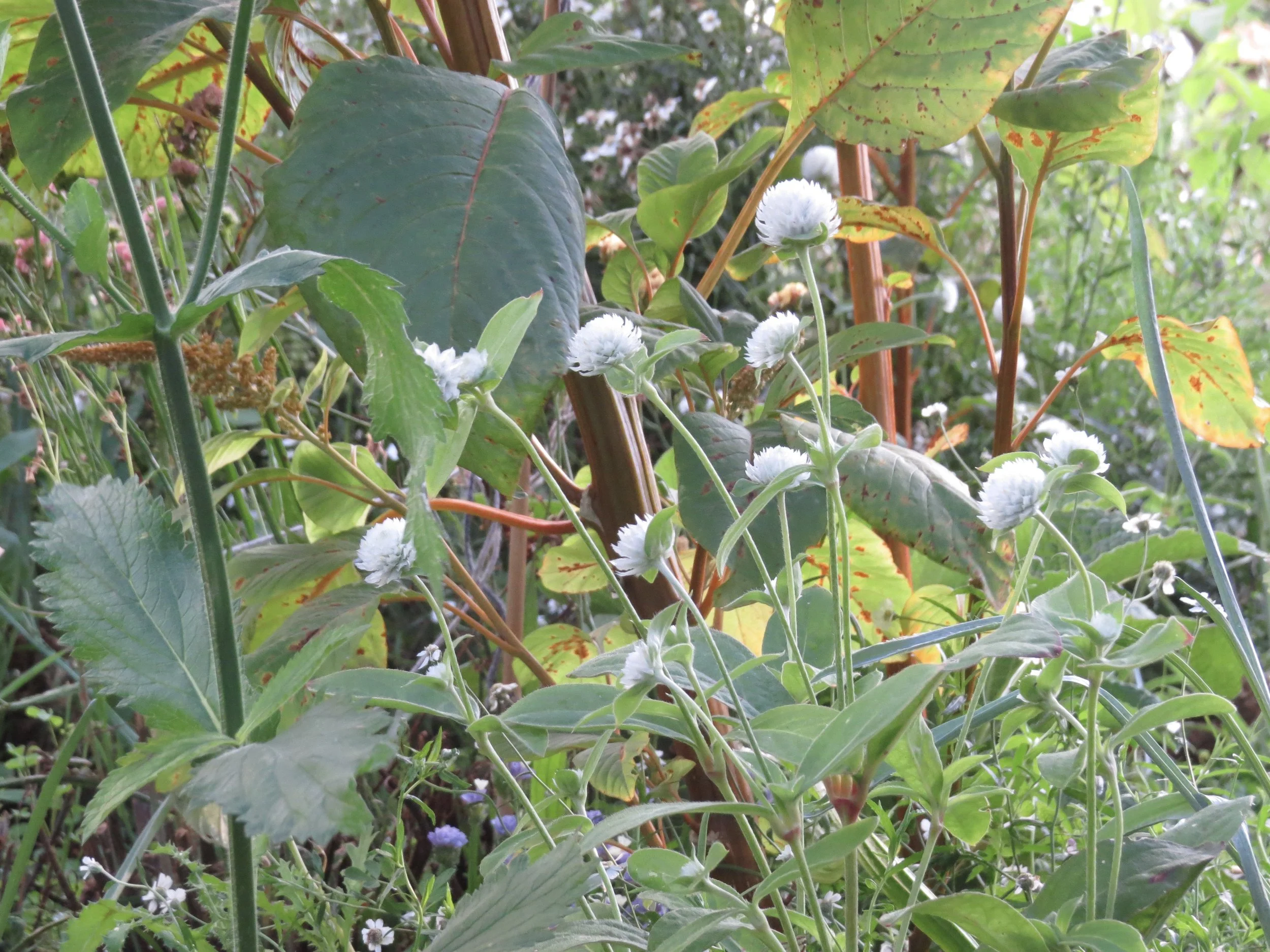
Botanical Overview
Common name: Globe amaranth
Botanical name: Gomphrena globosa
Family: Amaranthaceae
Parts used: Dried flowers (sometimes leaves and stems)
Energetics: Cooling, slightly drying, calming
Traditional & Medicinal Uses
1. Respiratory Support
Gomphrena has long been used in folk medicine, particularly in the Caribbean, Central and South America, India, and Southeast Asia, as a gentle but effective respiratory tonic.
It is known to:
Ease coughs, including dry or irritated coughs
Relieve asthma symptoms and bronchial spasms
Soothe sore throats and laryngitis
Open the lungs and reduce chest congestion
The cooling, anti-inflammatory nature of the flower makes it excellent for hot, dry conditions affecting the lungs or upper respiratory tract.
2. Anti-Inflammatory & Antioxidant
Gomphrena is rich in:
Betacyanins – antioxidant pigments (responsible for its brilliant magenta hue)
Flavonoids – plant compounds known for reducing oxidative stress and inflammation
This makes it a helpful ally in:
Managing low-grade chronic inflammation
Supporting recovery during colds or flus
Gently nourishing the body through stress and fatigue
3. Nervous System Support (Calming & Grounding)
While not a sedative, gomphrena has a softening effect on the nervous system. As a tea, it's often used to:
Soothe mental agitation or emotional heat
Help with insomnia, especially when related to worry or tension
Encourage a gentle state of relaxation
It's especially beautiful for people who feel “burnt out,” overstimulated, or dried out by stress.
How to Use
✦ Tea (Infusion)
Use 3–5 dried flower heads per cup of boiling water
Steep 5–10 minutes, covered
Enjoy 1–2 times per day, especially in the evening for calming effect
The tea turns a beautiful bright pink-magenta — a visual tonic in itself.
You may pair it with:
Lemon balm (for extra calm)
Licorice root (for moistening lungs)
Elderflower (for immune support)
Energetic & Symbolic Qualities
Resilient, heat-tolerant, drought-loving — it teaches us to thrive in harsh conditions
Symbol of persistence, softness, and healing in adversity
Encourages the body and spirit to bend but not break
Cautions
No major contraindications known, but as with all herbs:
Avoid in pregnancy unless under practitioner guidance
Use caution if on diuretics or medications affecting potassium balance
Always consult a qualified herbalist if you’re dealing with chronic illness
